Communication
Create opportunities for initiation, response, choice-making and shared interaction.
 KKBook now
Goal-based therapy using music, rhythm, movement and creative interaction—adapted to each person’s strengths, needs and preferences.
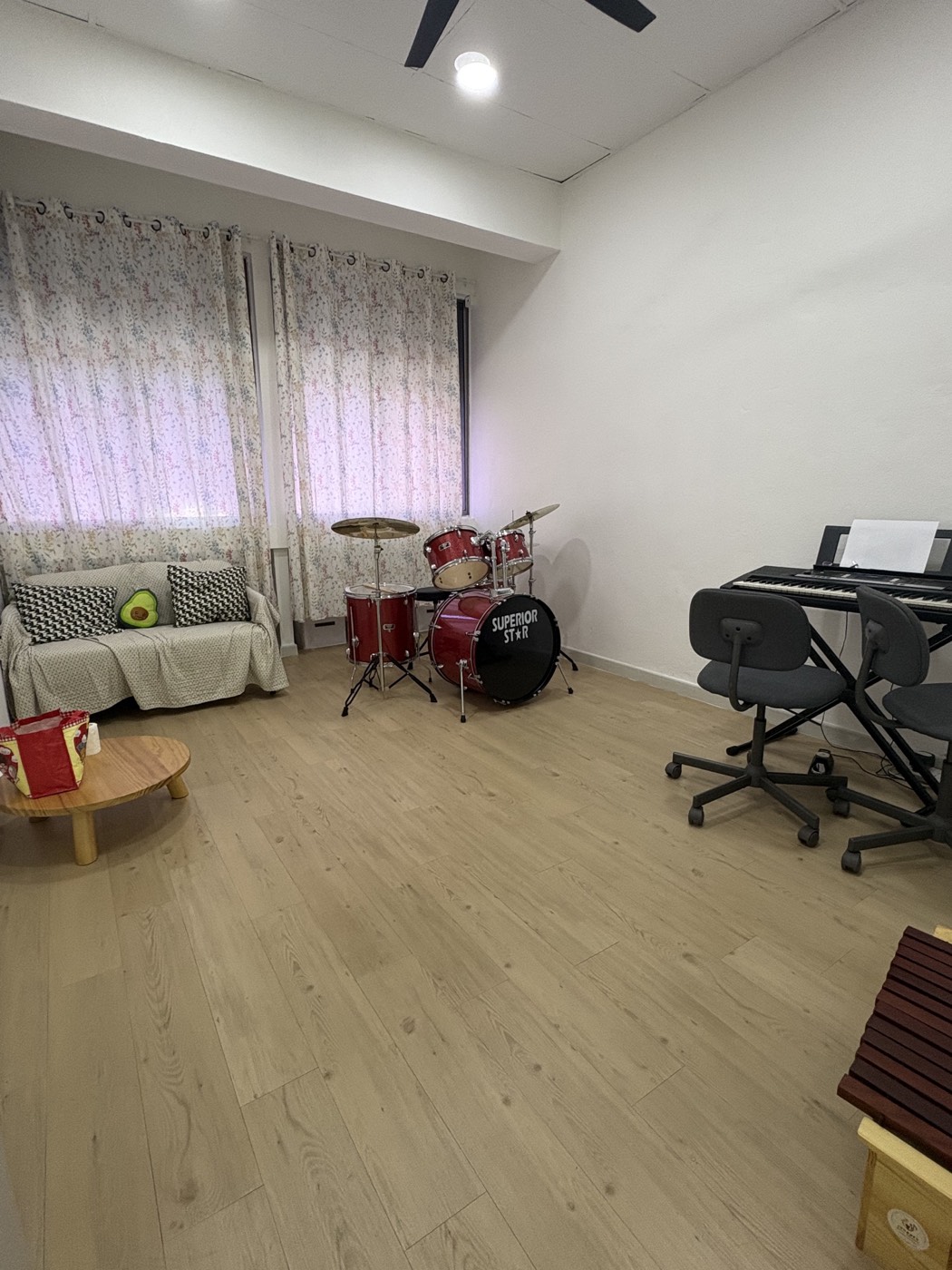
Music therapy may be considered when a person responds strongly to rhythm, sound, movement or shared music-making, or when conventional conversation is not the easiest route into therapeutic work.
Sessions may include active music-making, singing, rhythm, movement, listening, improvisation or songwriting according to suitability.
Create opportunities for initiation, response, choice-making and shared interaction.
Use predictable musical structure, rhythm and pacing to support emotional or sensory regulation.
Pair rhythm and music with purposeful movement, timing and coordination goals when appropriate.
Support engagement, anticipation and sustained participation through motivating musical experiences.
Practise turn-taking, shared attention and connection within musical interaction.
Offer meaningful opportunities for creativity, autonomy, achievement and self-expression.
The therapist adapts musical experiences around strengths, preferences and agreed goals.
The therapist first understands the person’s needs, context and hoped-for changes.
Music becomes a shared clinical tool for communication, movement, expression or engagement.
Activities are adapted moment by moment rather than requiring musical performance.
Where appropriate, goals and observations are considered alongside the person’s wider support network.
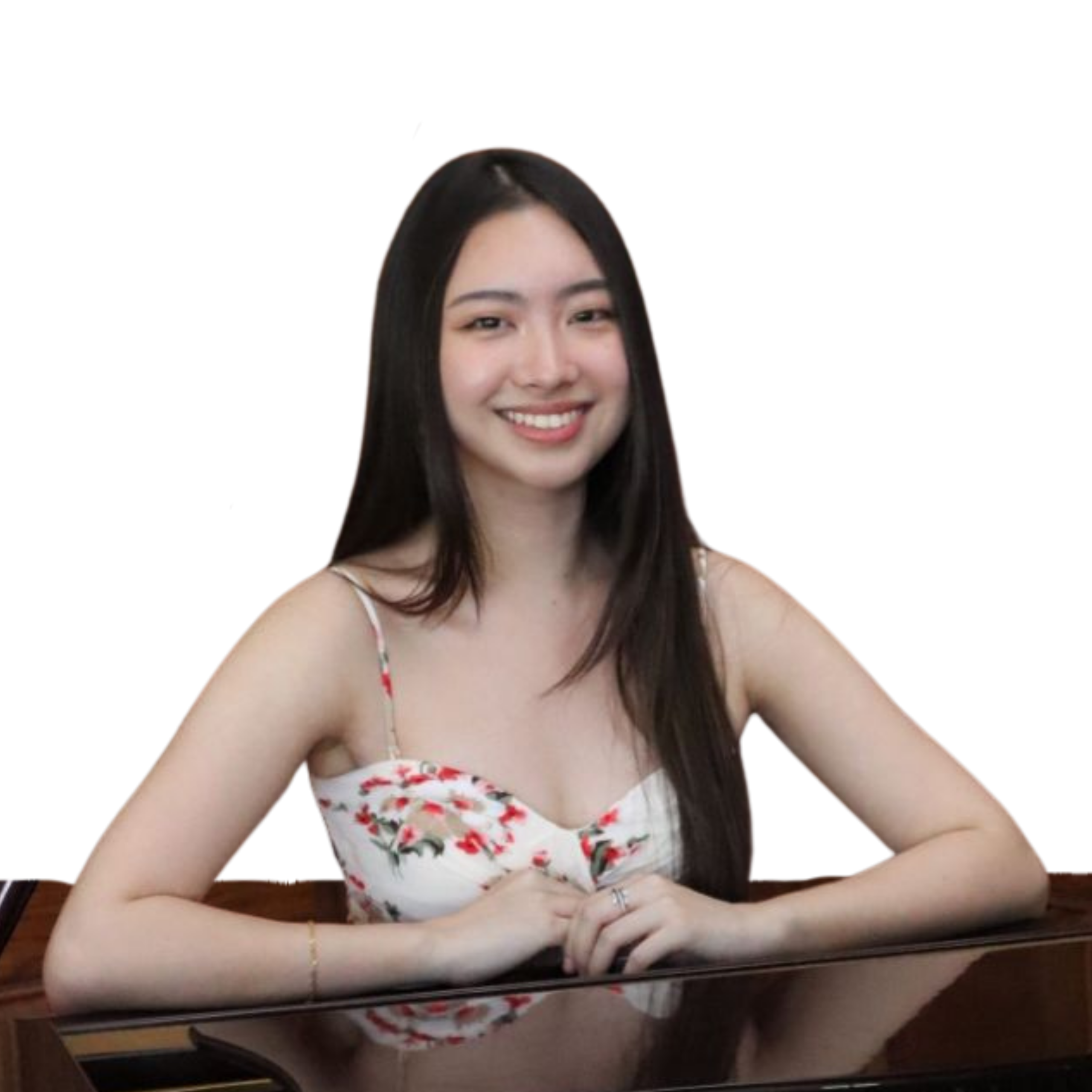
Charisa is a trained music therapist and Neurologic Music Therapist with professional experience in the United Kingdom, New Zealand and Malaysia.
She uses music as a safe and motivating clinical tool to support communication, confidence, autonomy and wellbeing, adapting sessions to each person’s strengths and goals.
Read Charisa’s full profile →Music lessons teach musical knowledge or performance. Music therapy uses musical experiences to work towards therapeutic, developmental or rehabilitation goals. No previous musical ability is required.
No. Music therapy does not require previous lessons, musical talent or performance ability. Activities are adapted so the person can participate meaningfully.
No. The aim is therapeutic participation, not performance. Musical choices and activities are used in relation to the person’s goals and comfort.
Tell us about any sound sensitivities when enquiring. The therapist can consider volume, instruments, pacing and whether music therapy is suitable for the person’s sensory needs.
Family involvement depends on age, goals and the therapy plan. The therapist will discuss the most useful arrangement with you.
Contact our team for current music therapy fees, Charisa’s availability and appointment arrangements.
Share the person’s age, strengths, main needs, music preferences and any sound sensitivities. We’ll help you understand suitability.