Phonemic awareness
Notice, identify and work with the individual sounds that make up spoken words.
 KKAsk about the programme
Structured one-to-one support for children who find English or Malay reading and writing difficult, including children with dyslexia-related needs.

Children can struggle with reading for different reasons. The programme is designed for learners who need more focused, systematic support than they may receive in a busy classroom or general tuition setting.
Instruction targets the specific processes a child needs to practise, with activities selected around their current level and learning response.
Notice, identify and work with the individual sounds that make up spoken words.
Connect letters and sound patterns so unfamiliar words can be approached more independently.
Develop greater accuracy, steadiness and confidence when reading connected text.
Strengthen understanding, recall and the ability to make meaning from what has been read.
Apply sound and word-pattern knowledge when spelling and expressing ideas in writing.
Experience reading in an encouraging environment where progress is paced and visible.
The former programme’s core principles remain at the centre of this service.
Focused one-to-one sessions allow instruction and practice to respond to the child in front of us.
Skills are introduced and revisited according to the child’s learning pace—not a fixed classroom timetable.
Visual, auditory and hands-on activities help children build stronger connections between sounds, letters and words.
A calm setting can help children who become overwhelmed or lose confidence in larger learning environments.
Sessions are supportive and low-pressure, with effort and developing independence recognised along the way.
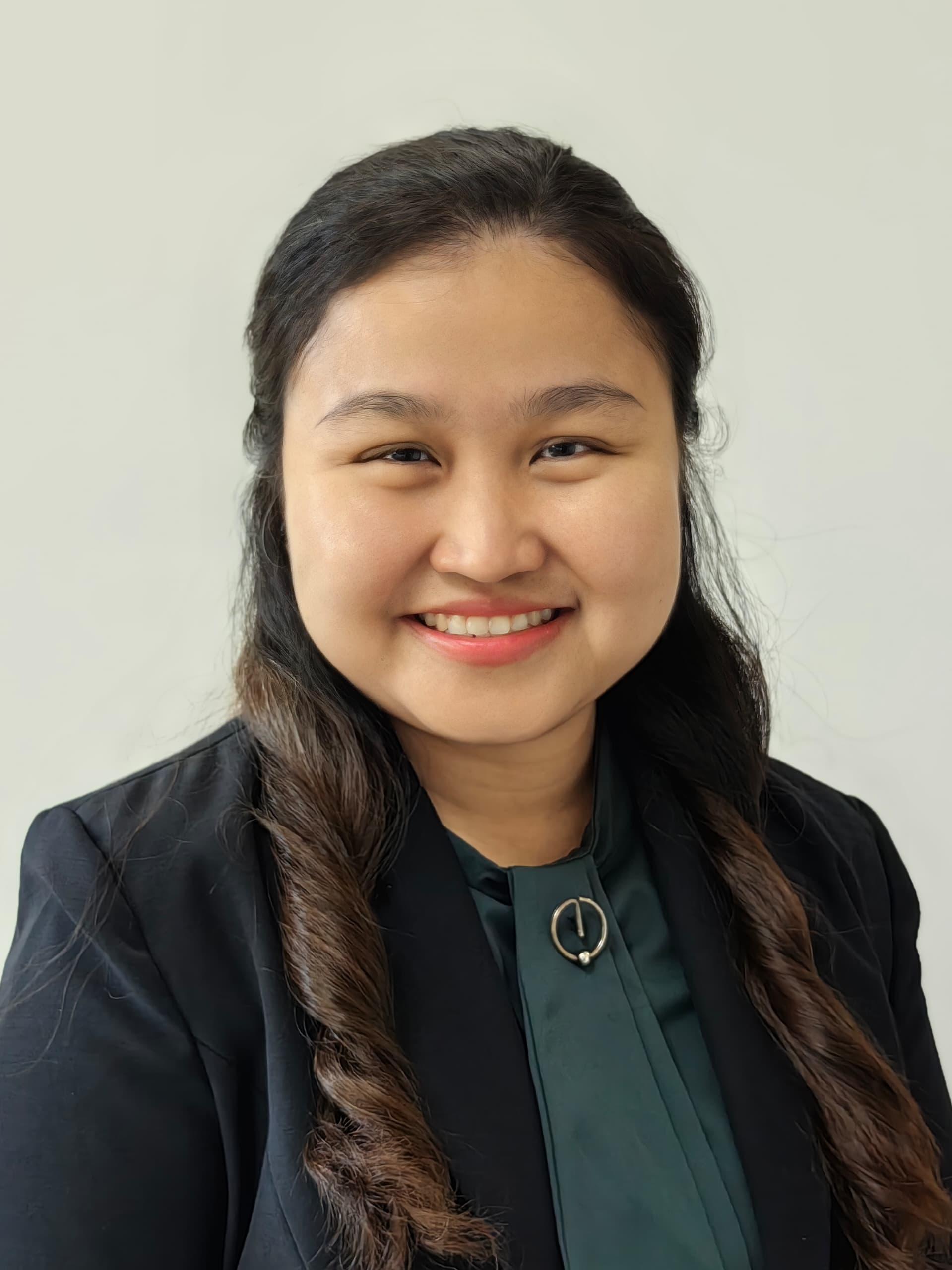
M.Ed. Educational Psychology · B.A. English
Teacher Jen believes learning goes beyond textbooks. With a background in English and Educational Psychology, she helps students develop communication skills, confidence and the motivation to continue learning.
She also brings creativity into her work through music, performing as a singer and violinist, and serving as a multilingual emcee for community and educational events.
Read Teacher Jen’s full profile →Reading intervention builds skills. A learning assessment investigates why difficulties may be happening and may clarify dyslexia or other learning needs. Depending on your child’s history and goals, one or both may be useful.
Every child’s situation is different. Contact us with your main concerns and any school or assessment information you already have. We will help you understand whether reading intervention, a learning assessment or another first step may be more suitable.
The programme focuses on the underlying reading and writing skills that may be difficult for the child, including sound awareness, decoding, fluency and comprehension. It is delivered individually and paced around the learner rather than a general class syllabus.
Yes. The programme is intended to support reading and writing needs in both English and Malay. Please tell us which language or combination is most relevant for your child.
The duration depends on the child’s starting point, learning profile, goals, attendance and response to intervention. The team will discuss progress and the recommended direction with you rather than promising a fixed outcome.
Reading intervention fees and availability can differ from psychology services. Contact our team for the current rate, available days and the most suitable way to begin.
Share your child’s age, the language involved and what you or the school have noticed. We’ll help you understand a suitable starting point.