Space to understand your concerns
The intake explores your concerns, relevant history and daily functioning, so your psychologist can clarify the question the assessment needs to answer.
 KKWhatsApp
Assessment with a clinical psychologist to understand emotional, behavioural or developmental concerns and decide what support may help.
90–120 minutes with a clinical psychologist.
Separate from assessment fees.
Quotation based on recommended tools.
Includes written report & 30-minute briefing.
You do not need to choose a test before booking. Your psychologist first considers your concerns and recommends what is needed.
Assessment brings together your history, everyday experiences and, where recommended, appropriate psychological tools. The aim is to understand the concern and guide suitable support—not simply produce a test score.
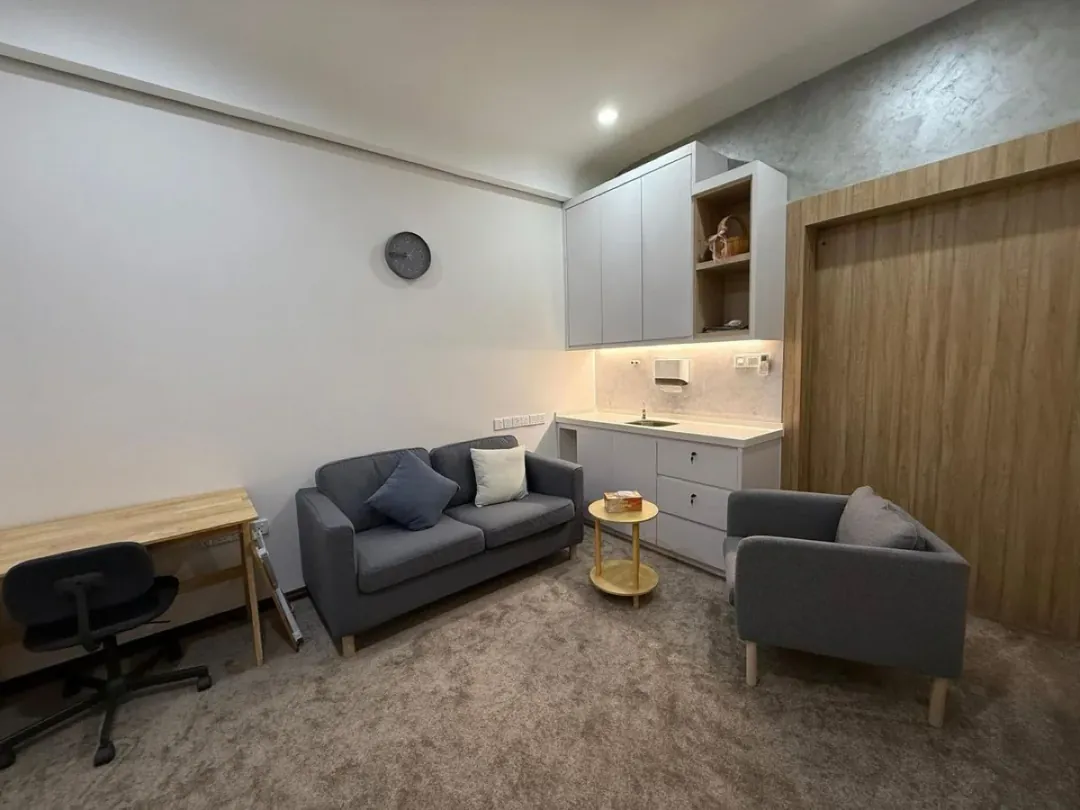
The intake explores your concerns, relevant history and daily functioning, so your psychologist can clarify the question the assessment needs to answer.
Your psychologist recommends suitable interviews, information or testing based on the intake. Not everyone needs a formal test battery or every available tool.
Where testing is recommended, findings are considered alongside your history and everyday functioning. Your psychologist explains them in a written report and results briefing.
The results briefing includes recommendations for suitable next steps, based on what the assessment finds and the concerns discussed.
Clear fee boundaries. The intake consultation is charged separately from any recommended testing. Where testing is recommended, the written report and 30-minute results briefing are included in the assessment quotation.
A screener can be a starting point when you are unsure about your concerns. It highlights areas to discuss; it does not provide a diagnosis.
If difficulties are affecting wellbeing, school, work or relationships, an intake can explore your experience, history and daily functioning.
Your psychologist may recommend a clinical interview, focused behavioural assessment or suitable psychological tools. A formal test battery is not always needed.
For autism, ADHD, learning, cognitive or everyday functioning concerns, explore the dedicated pathways below.
Different tools answer different questions. Open a topic below to see how it may contribute to your assessment—you do not need to choose a test before your first appointment.
The WISC-V explores different aspects of children’s thinking and cognitive abilities. It can help describe a pattern of strengths and areas needing support, rather than reducing a child’s abilities to a single score.
Publisher information (opens in a new tab): WISC-V
WRAT5 looks at foundational reading, spelling and maths skills. WIAT-4 offers a broader assessment of academic achievement, including reading, writing, maths and oral language. Your psychologist selects appropriate measures to explore the learning concern—not to judge effort or motivation.
Conners 4 gathers ratings about ADHD-related symptoms and their impact in children and adolescents. MOXO is a computer-based attention task that may add information about performance. For adults, a DIVA interview explores ADHD symptoms in childhood and adulthood and their effects on daily life. These provide different kinds of information; none is used in isolation to confirm or rule out ADHD. The Adult ADHD Self-Report Scale (ASRS) gathers an adult’s own account of ADHD-related symptoms as a screening aid.
Publisher information (opens in a new tab): Conners 4 · MOXO · DIVA · Adult ADHD Self-Report Scale (ASRS)
CARS-2 supports structured ratings informed by observed behaviour. GARS-3 gathers ratings of autism-related behaviours from people who know the individual. These tools may support an autism evaluation alongside developmental history, interviews and clinical observation; a rating score alone is not a diagnosis. The Autism Spectrum Rating Scales (ASRS) gather information about autism-related behaviours in children and adolescents.
Publisher information (opens in a new tab): CARS-2 · GARS-3 · Autism Spectrum Rating Scales (ASRS)
Vineland explores how someone uses skills in daily life, including communication, everyday living and socialisation. This adds a different perspective from cognitive or academic testing and can help identify practical support needs.
Publisher information (opens in a new tab): Vineland
A DSM-based symptom checklist helps organise a review of relevant symptoms and diagnostic criteria. It is considered alongside interviews, history, daily functioning and alternative explanations. It is not a standalone diagnosis or a substitute for a full clinical assessment.
A tailored plan—not every tool for every person. Selection depends on the assessment question, age, language, cultural context and suitability of the tool’s reference norms. These are examples, not a fixed package. Your psychologist will explain the recommended plan and quotation before testing. Tool names belong to their respective owners; test questions and scoring materials are not reproduced here.
Meet a clinical psychologist for 90–120 minutes. Discuss concerns, history and functioning. For a child assessment, bring your child to this first appointment.
The psychologist recommends tools or focused assessment based on the interview. Sometimes no formal psychological testing is needed. Admin prepares a quotation for the recommended tools, typically RM500–RM2,000.
Recommended assessments are conducted. The number and length of appointments depend on the tools and information required. Our team explains arrangements for your individual plan.
Approximately three weeks to one month after testing is completed, we schedule a 30-minute briefing with parents or the individual. Your psychologist explains findings and recommends next steps. The written report and briefing are included in the assessment quotation.
Your psychologist may recommend a separate psychiatrist appointment to review the diagnosis and assist with an OKU card application where appropriate.
Psychiatrist review: RM50, charged separately. Our team will explain the next steps if this applies to your situation. Assistance with an application does not guarantee approval.
Our team can help arrange an appointment with a suitable professional, subject to availability.
Bring your child to the first intake. Academic transcripts, school information and teacher feedback can help your psychologist understand the context.
Bring relevant previous assessment reports or other information you would like the psychologist to consider, if available. You do not need a complete file before contacting us.
No. Your psychologist recommends only what is relevant to your concerns, age and assessment question. Formal tools may not be needed, or only particular behaviours may need assessment.
The intake is RM360 for 90–120 minutes. If psychological testing is recommended, admin prepares a separate quotation, typically RM500–RM2,000. The quotation includes a written report and 30-minute briefing. Psychiatrist review, when appropriate, is an additional RM50.
The briefing is usually scheduled approximately three weeks to one month after testing is completed. Our team will confirm your appointment.
No. Screening highlights concerns for further discussion. A diagnosis, where appropriate, is based on professional assessment and the available information, rather than a screening result or a single score alone.
Our assessment services are available from age 3, with the approach and tools chosen according to age and concerns. English, Malay and Chinese are available. Tell our team your preferred language when booking.
Tell us the intended purpose during intake, such as school support or an OKU application. Your psychologist can discuss what the assessment and report can address, and whether additional review or documentation is needed.
Share the main concern, the person’s age and your preferred language. We will help arrange an intake. MY Psychology KK · Hong Tong Commercial Centre, Penampang · Daily 9:30am–6:00pm.